


Cart
0
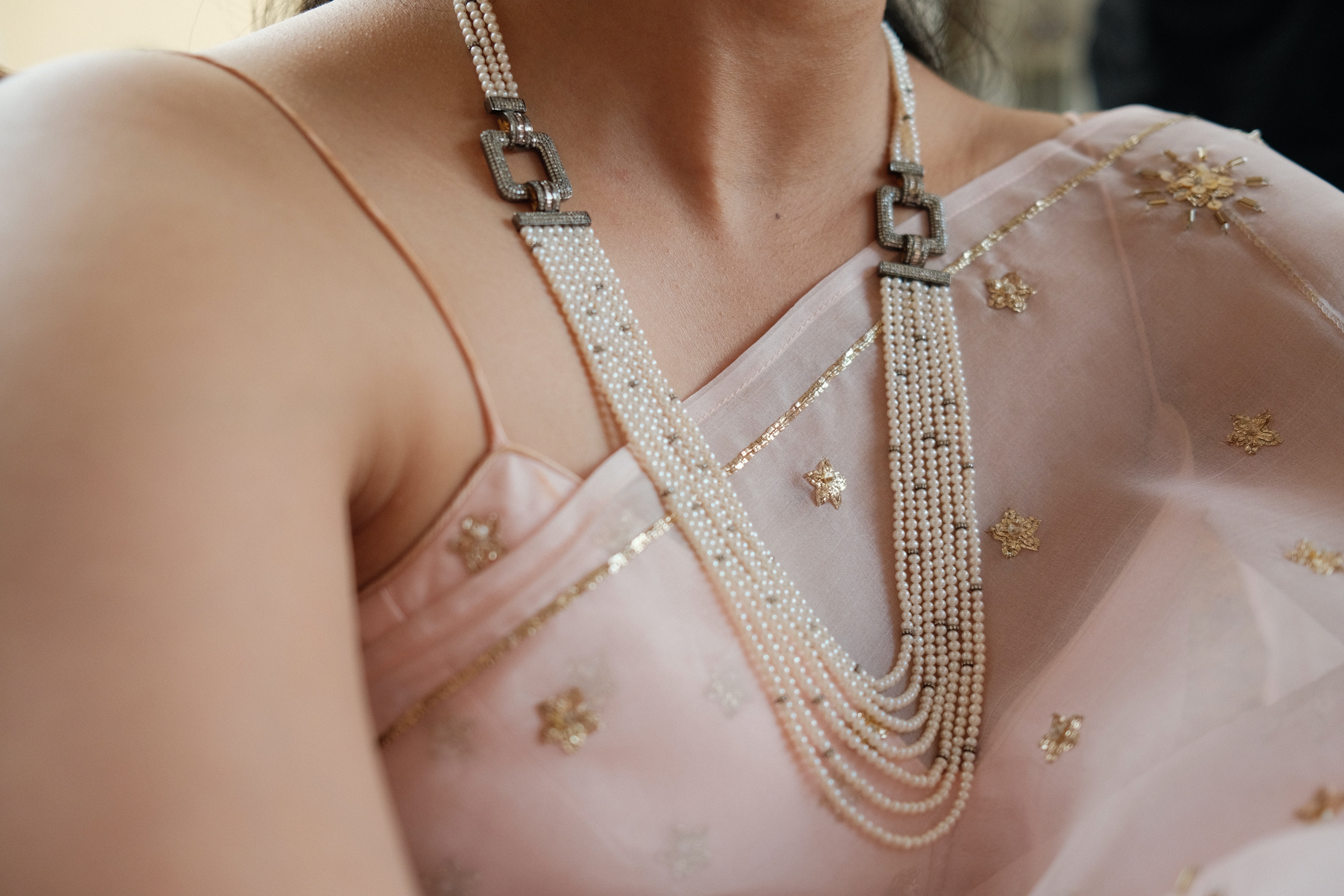
Why Jaipur: The Craft Behind Firuzeh
If you stand in Johari Bazaar around six in the evening, you can hear the trade before you see it. Shutters going up, the tap of a setter's hammer somewhere above a shopfront, two dealers arguing quietly over a parcel of sapphires. Jaipur has worked like this for close to three hundred years, and despite everything that has changed in the jewellery business, the world's coloured gemstones still pass through this city on their way to becoming something worth keeping. Firuzeh Jaipur was built here, and it could not have been built anywhere else.
A City Designed Around Craft
When Sawai Jai Singh II laid out Jaipur in 1727, he did something few rulers bothered with: he set aside entire quarters of the city for craftsmen and invited gem cutters, enamellers, and goldsmiths from across the Mughal world to settle there. Those royal workshops, the karkhanas, are the reason the trade took root. The techniques were never formally recorded. They passed from master to apprentice, usually within families, and a surprising amount of what happens in Jaipur's workshops today would be recognisable to a craftsman from two centuries ago.
What a Jaipur Cutter Actually Does
People assume gemstone cutting is mostly machinery now. It isn't, not at the level that matters. A good lapidary spends a long time simply looking at a rough stone, working out where the colour sits, where the flaws run, and how to orient the cut so light enters and returns the way it should. Get an emerald wrong by a fraction and the green goes flat. This kind of judgement takes years to develop, and it's why serious dealers from Geneva, Bangkok, and New York still send important rough to Jaipur rather than anywhere cheaper.
Where Firuzeh Fits In
We don't claim to have invented anything. Our pieces are made the way Jaipur has always made jewellery: a stone first, then a design drawn around it, then weeks of handwork. What we've changed is the proportion and the temperament — lighter settings, cleaner lines, jewellery that works at a dinner in London as easily as at a wedding in Udaipur. The craft is old. The way we wear it doesn't have to be.
The Case for Knowing Where Your Jewellery Comes From
Most jewellery sold today could have been made anywhere, by anyone. A piece made in Jaipur, by named workshops with histories of their own, is a different sort of object. It carries the city with it. That, more than any certificate, is what people are really buying when they buy from a house like ours.


