


Cart
0
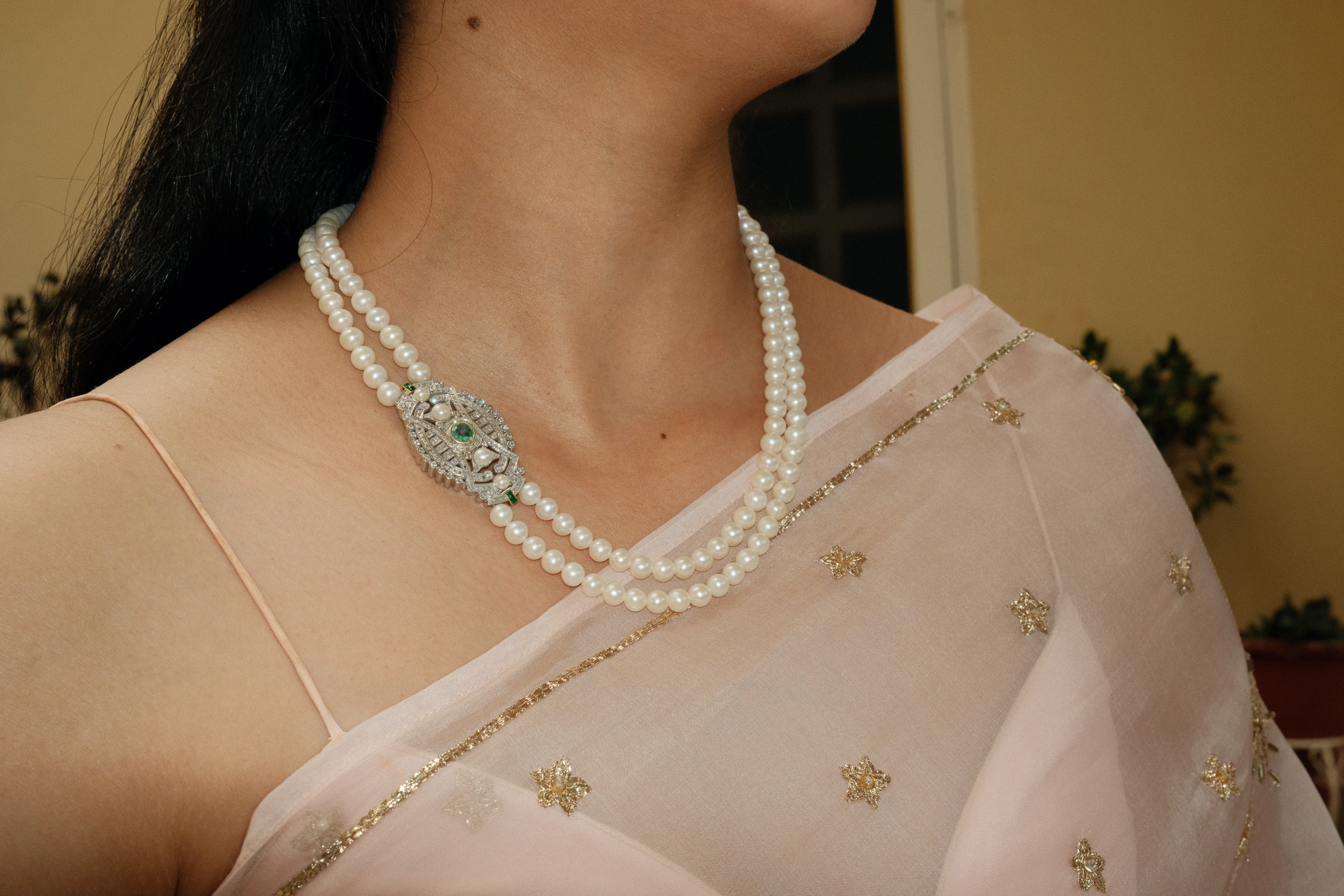
What Polki Actually Is
Polki refers to the diamond itself, left essentially as nature made it. The stone is cleaved and lightly polished rather than faceted, then set in gold over a reflective foil that gives it that watery glow. Because no two uncut diamonds are alike, no two polki pieces can be copies of each other. In a market full of identical machine-set jewellery, that alone explains part of the revival.
Polki and Kundan Are Not the Same Thing
The terms get used interchangeably, including by people who should know better. Kundan is a setting technique: building up a mount with layers of highly refined gold foil. Polki is the uncut diamond that may or may not sit inside it. A kundan piece set with glass contains no polki at all, whatever the label says, and the price difference between the two is substantial. It is worth asking the question directly before you buy.
Why It Suits the Moment
Some of the revival is sentiment; polki is what gets handed down in velvet boxes, and people are paying more attention to inheritance than they used to. But the more interesting shift is in design. Uncut diamonds are now being set in spare, almost architectural mounts, scaled down into studs and slim bracelets, paired with a single line of emeralds rather than a wall of them. A polki ring worn with a plain shirt reads as confidence. A full parure reads as a costume. Most of our clients have worked this out for themselves.
Wearing It Without the Wedding
For brides, the old advice holds: let one piece dominate, usually the choker, and keep everything around it quieter. For everyone else, one piece is the whole point. Chaandbalis with a sari at a dinner. A polki band stacked against plain gold. Small studs that go to the office. Jewellery of this kind should be in circulation, not in a locker.


